

If you have lived in West Palm Beach for any length of time, you already know that the Florida heat puts your home systems through their paces year-round. Your water heater is no exception. Because it runs continuously in the background, it is easy to overlook the early warning signs that something is going wrong. By the time most homeowners in West Palm Beach notice a problem, the unit has already been struggling for months. Knowing what to look for can save you from an unexpected cold shower, a flooded utility room, or a repair bill that dwarfs the cost of a simple replacement.
Your Water Heater Is More Than 10 Years Old
Age is one of the most reliable indicators that a water heater replacement is overdue. Most traditional tank-style water heaters are engineered to last between 8 and 12 years. Once a unit pushes past the decade mark, its internal components begin to wear down in ways that are difficult and expensive to repair. The anode rod, which protects the tank from corrosion, becomes depleted over time. The heating elements in electric models lose efficiency. The burner assembly in gas models can develop problems that affect combustion and safety.
In West Palm Beach, the situation is made slightly more complicated by the region’s water chemistry. South Florida water tends to have higher mineral content, and that mineral buildup accelerates the aging process inside a tank. Sediment collects at the bottom, acts as an insulator between the burner and the water, and forces the unit to work harder just to reach the same temperature it once hit with ease. If your unit is approaching or has passed the 10-year mark, it is worth scheduling an inspection rather than waiting for a failure to force your hand.
You can find the age of your unit by locating the serial number on the manufacturer’s label, typically found on the upper portion of the tank. Most manufacturers encode the production date within the first few characters of the serial number, and a quick search of the brand’s website will explain how to read it.
You Are Running Out of Hot Water Faster Than Usual
One of the clearest signs that your water heater is struggling is a noticeable reduction in how long your hot water supply lasts. If your morning shower is turning cold before you rinse out your shampoo, or if running the dishwasher after dinner leaves nothing warm for a bath, the unit is no longer performing at its rated capacity.
Sediment buildup is frequently the culprit. As minerals accumulate at the bottom of the tank, they displace the water the unit is supposed to hold and heat. Effectively, a 50-gallon tank caked with several inches of sediment might only deliver the functional output of a 35-gallon tank. In some cases, a professional flush can restore capacity, but when the buildup is severe or the unit is already aging, replacement becomes the more practical path.
A failing heating element in an electric water heater can produce the same symptom. When one element burns out, the remaining element carries the full load, and it simply cannot keep up with household demand. A plumber can test your elements and give you an honest assessment of whether a repair makes financial sense given the overall condition of the unit.
You Notice Rust, Discoloration, or a Metallic Taste
Water that comes out of your taps looking slightly orange or brown, or that carries an odd metallic taste, is a sign that something inside your water heater is corroding. Rust inside a tank is a serious problem because it only moves in one direction. Once the interior lining has begun to break down, no repair can reverse that process.
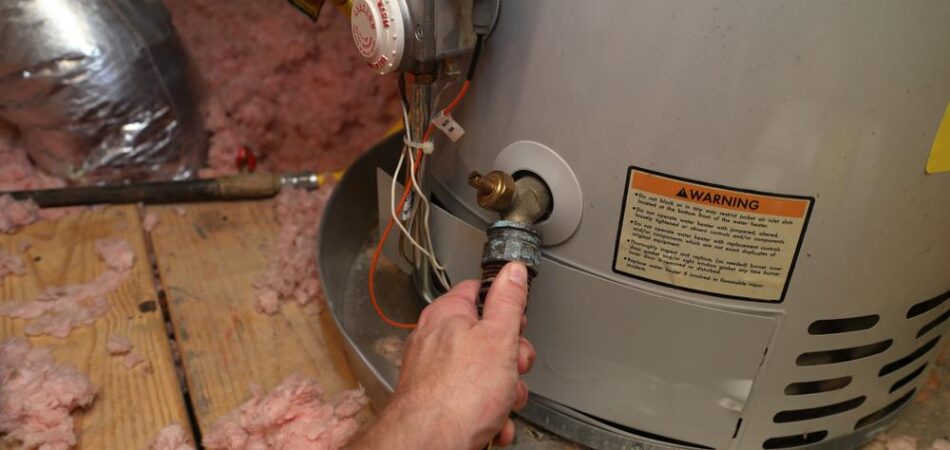
It is worth noting that rusty water does not always originate from the water heater itself. Older galvanized steel pipes can also shed rust particles as they age. A straightforward way to narrow down the source is to drain a few gallons from the water heater’s drain valve into a bucket. If the water coming directly from the tank is discolored, the tank is the problem. If the water from the tank looks clean but the tap water is still off-color, your pipes may need attention instead.
In West Palm Beach, homes built before the 1990s are more likely to have aging pipe infrastructure, so it pays to investigate thoroughly before drawing conclusions. Either way, discolored or metallic-tasting water is not something to ignore. Corrosion inside a tank can eventually lead to leaks, and a leaking tank can cause significant structural damage to your home before you even realize water is escaping.
You Hear Strange Noises Coming From the Unit
A water heater that is operating normally runs quietly. If yours has started making popping, rumbling, banging, or hissing sounds, that is your first indication that something has changed inside the unit.
The most common cause of noise in a water heater is sediment. As the layer of mineral deposits at the bottom of the tank heats up along with the water above it, it hardens, shifts, and sometimes traps pockets of water that boil and burst through the crust. That process creates the popping and rumbling sounds many homeowners describe. It is not immediately dangerous, but it signals that the unit is working inefficiently and that the tank itself may be under additional stress.
Hissing sounds, on the other hand, often point to a different issue entirely. A hiss can indicate that water is escaping somewhere it should not be, either through a faulty pressure relief valve, a small crack in the tank, or a loose connection. Any hissing sound warrants an immediate inspection by a licensed plumber. In the humid West Palm Beach climate, even a slow, undetected leak can lead to mold growth inside walls or under flooring within a relatively short period.
You See Pooling Water or Moisture Around the Tank
Visible water pooling near your water heater is one of the most urgent signs that replacement may be necessary. While a small amount of condensation on the outside of the tank is normal during certain conditions, actual puddles or wet spots on the floor below the unit are not.
Leaks can originate from several places. The temperature and pressure relief valve, the inlet and outlet connections, and the drain valve are all common leak points that can sometimes be repaired. However, when the leak is coming from the tank body itself, the only safe course of action is full replacement. A compromised tank will not hold water reliably, and the risk of a sudden, large failure increases the longer the unit stays in service.
West Palm Beach homeowners should be especially attentive to this sign during the summer months, when higher ambient humidity can sometimes mask early moisture accumulation around the base of a unit. Make it a habit to glance at the floor around your water heater occasionally, particularly if the unit is located in a garage or utility closet that you do not visit every day.
Conclusion
Your water heater works quietly and constantly to keep your household running smoothly, and it deserves at least occasional attention. In West Palm Beach, where warm weather, mineral-rich water, and year-round demand put steady pressure on home systems, staying ahead of water heater problems is simply good homeownership. If your unit is aging, struggling to keep up with demand, producing discolored water, making unusual sounds, or showing signs of leakage, do not wait for a complete failure to act. Consulting a licensed plumber sooner rather than later gives you the opportunity to plan a replacement on your schedule and your budget, rather than scrambling to fix a flooded utility room on the worst possible day.
Need a Plumbing Contractor Near You?
At Plumb-Rite Plumbing Sewer & Drain Services, we are the best emergency plumber company in West Palm Beach and Jupiter. FL. We offer a comprehensive range of plumbing services and specialize in residential and commercial plumbing and drain cleaning maintenance. Contact us today for more information. We look forward to working with you!