




Living in Jupiter means dealing with year-round heat, humidity, coastal conditions, and water-related issues that can affect a home in ways that are easy to overlook. One concern homeowners often associate with Florida plumbing is hard water and the mineral buildup it can leave behind on fixtures, inside appliances, and throughout a plumbing system.
Quick answer: Hard water contains dissolved minerals, primarily calcium and magnesium, that can leave scale behind as water moves through a plumbing system. Over time, mineral deposits can contribute to clogged faucet aerators, reduced fixture performance, water heater inefficiency, and visible residue. However, water conditions vary by utility and property, so Jupiter homeowners should avoid assuming that every plumbing problem is caused by hard water.
What local homeowners should know
-
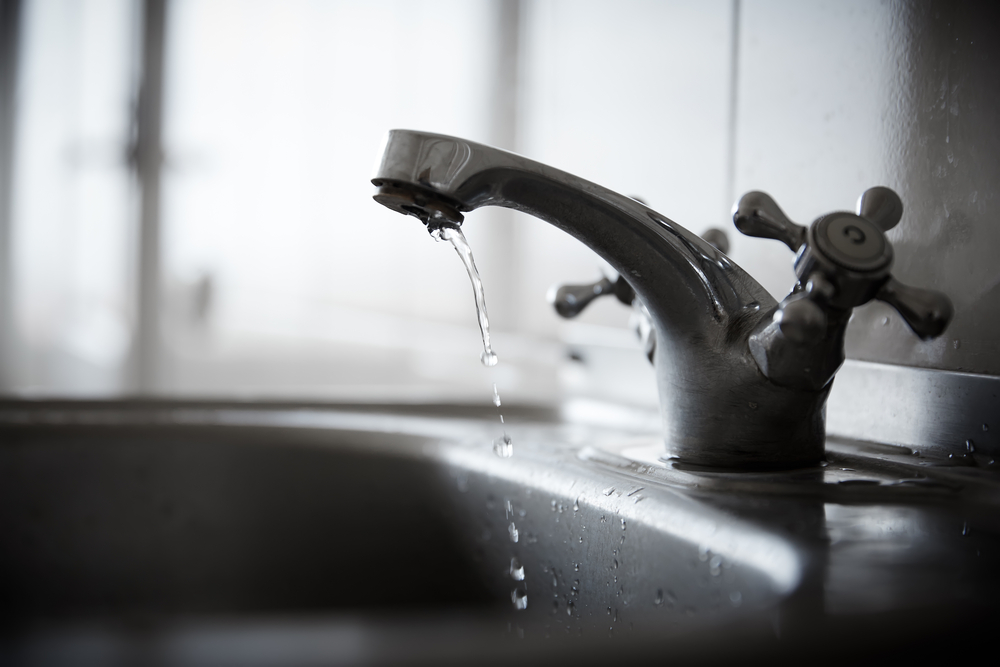
White or chalky deposits around faucets and showerheads can indicate minerals being left behind as water evaporates.
-
Jupiter Utilities uses reverse osmosis and nanofiltration membrane treatment technologies to treat local drinking water.
-
Plumbing conditions can vary between properties based on the water source, plumbing materials, water heater maintenance, and whether a home uses additional water treatment equipment.
-
Mineral buildup is only one possible cause of reduced water flow, fixture problems, or water heater performance issues.
-
Homes throughout northern Palm Beach County can benefit from having persistent water-related plumbing symptoms properly diagnosed instead of relying on appearance alone.
Why Hard Water Matters to Plumbing in Jupiter
Hard water matters to plumbing because dissolved minerals can accumulate on surfaces and inside components that repeatedly come into contact with water. In Jupiter homes, the effects may be most noticeable around faucets, showerheads, water heaters, dishwashers, and other fixtures or appliances where water is heated or allowed to evaporate.
Local water deserves a little context. The Town of Jupiter Utilities serves customers using water drawn from both the shallow surficial aquifer and the much deeper Floridan aquifer. The Town treats those supplies with nanofiltration and reverse osmosis membrane technology.
That means homeowners should not automatically assume that a white deposit, clogged fixture, or water heater issue proves they have unusually hard municipal water.
At Plumbrite Plumbing Sewer and Drain Services, we help homeowners identify the plumbing problem itself so the appropriate solution can be considered. Once you know whether you are dealing with mineral accumulation, corrosion, sediment, an aging fixture, or another plumbing issue, you can make a more informed repair or maintenance decision.
What Jupiter’s Water System Tells Us
Jupiter’s municipal water undergoes advanced treatment before reaching customers, so discussions about Florida’s naturally mineral-rich groundwater should be distinguished from the quality of treated water delivered to a particular home. The Town of Jupiter reports that its system uses both reverse osmosis and nanofiltration membrane technologies.
The Town’s published information says nanofiltration treats water from the shallower surficial aquifer, while reverse osmosis treats brackish water from the deeper Floridan aquifer.
The utility also reports that its drinking water meets or exceeds applicable state and federal requirements. Water quality and plumbing performance are separate issues, however. Even properly treated drinking water can interact with household plumbing, water heaters, fixtures, and older materials after it reaches a property.
For homeowners from Abacoa and Jupiter Farms to properties closer to the Intracoastal Waterway, diagnosing what is happening inside the home is more useful than making assumptions based solely on Florida’s reputation for hard water.
How Mineral Buildup Can Affect Your Plumbing
Mineral buildup can affect plumbing by restricting small openings, coating heating surfaces, and leaving deposits on fixtures. The severity depends on the mineral content of the water, how much water the household uses, temperatures inside water-heating equipment, and how long deposits are allowed to accumulate.
A faucet aerator provides a simple example. Minerals or sediment can collect in its small openings and gradually reduce or distort the stream of water.
Showerheads can develop similar restrictions. Water may begin spraying unevenly or certain nozzles may stop flowing properly.
Water heaters deserve particular attention because heating water can encourage dissolved minerals to form deposits. Sediment and scale collecting inside a tank can potentially affect performance and contribute to maintenance problems.
These issues can develop gradually, which makes them easy to overlook until fixture performance noticeably changes.
Warning Signs of Mineral or Scale Buildup
Mineral buildup often leaves visible or performance-related clues, although these symptoms can also have other plumbing causes. Jupiter homeowners should pay attention when several of these signs appear repeatedly:
-
White, crusty deposits keep forming around faucets or showerheads.
-
Faucet aerators become clogged or require frequent cleaning.
-
Showerhead spray becomes uneven or noticeably restricted.
-
Water flow seems weak at one fixture but remains normal elsewhere.
-
Spots or mineral residue repeatedly appear on plumbing fixtures.
-
A water heater develops unusual sediment-related noises.
-
Fixtures or valves become increasingly difficult to operate.
-
Plumbing components require cleaning or replacement more often than expected.
A single symptom does not confirm hard water. Multiple recurring symptoms make a professional plumbing evaluation more useful.
When Should You Call a Plumber?
You should call a plumber when mineral buildup is accompanied by persistent low flow, water heater problems, recurring fixture clogs, leaks, or symptoms that return quickly after cleaning. A professional can determine whether scale is actually responsible or whether the problem involves corrosion, sediment, a damaged fixture, or another plumbing condition.
Homeowners can safely clean accessible faucet aerators and showerheads according to manufacturer recommendations and watch for recurring deposits.
DIY troubleshooting should stop when the issue involves concealed piping, a leaking water heater, significant pressure changes, recurring discoloration, or plumbing components that require disassembly.
This distinction matters because replacing fixtures repeatedly will not solve a problem originating elsewhere in the system.
Common Causes of Plumbing Deposits in Jupiter Homes
Plumbing deposits can come from several sources, so identifying the material is more reliable than assuming every deposit is hard-water scale. Local homeowners may encounter mineral residue, sediment, corrosion products, or debris associated with individual plumbing components.
1. Dissolved minerals
Calcium and magnesium can form the scale commonly associated with hard water. Deposits are often easiest to notice where water dries on a surface.
2. Water heater sediment
Material can settle inside a tank-style water heater over time. Maintenance requirements depend on the equipment, water conditions, and manufacturer’s instructions.
3. Aging household plumbing
Older plumbing components can create symptoms that resemble mineral buildup. The Town of Jupiter’s own water-quality guidance notes that rust or iron can accumulate in household plumbing and may cause discolored water.
4. Fixture debris
A clogged aerator does not necessarily indicate a whole-house water problem. Debris may be isolated to a particular faucet or plumbing component.
Properties in Tequesta, Juno Beach, Jupiter Farms, and unincorporated portions of Palm Beach County may also have different water sources or plumbing configurations, making property-specific diagnosis important.
How to Reduce Mineral Buildup
Reducing mineral buildup starts with routine fixture cleaning, appropriate water heater maintenance, and identifying recurring deposits before they begin affecting plumbing performance. Jupiter homeowners should focus on practical maintenance rather than installing treatment equipment without first understanding their actual water conditions.
Check faucet aerators and showerheads periodically for visible deposits or restricted openings. Follow manufacturer instructions when cleaning fixtures, especially when dealing with specialty finishes that can be damaged by harsh products.
Water heaters should also receive maintenance appropriate to the specific model and manufacturer. If sediment is suspected but you are not comfortable servicing the unit, professional maintenance is the safer option.
If deposits return rapidly throughout the house, consider having the water and plumbing conditions evaluated before deciding whether additional water treatment makes sense.
What Results Can You Expect From Addressing Buildup?
Addressing confirmed mineral buildup can improve affected fixture flow, restore more consistent showerhead spray, and reduce recurring deposits on plumbing components. If accumulation is affecting a water heater or other equipment, appropriate maintenance may also help the system operate as intended.
Results depend on the underlying cause.
Cleaning a clogged aerator may immediately improve one faucet, but it will not correct a whole-house plumbing restriction. Likewise, installing water treatment equipment will not repair an already damaged valve, corroded pipe, or failing water heater.
Correct diagnosis comes first.
Common Hard Water Mistakes to Avoid
The biggest hard water mistake is treating every water-related plumbing symptom as proof of excessive hardness. Similar symptoms can come from sediment, corrosion, fixture deterioration, pressure problems, or individual appliance issues.
Mistake: Replacing a clogged faucet without investigating recurring debris.
Consequence: The replacement may develop the same problem.
Better approach: Determine where the material is coming from.
Mistake: Assuming every white deposit means the entire plumbing system needs treatment.
Consequence: You may spend money without addressing the actual problem.
Better approach: Evaluate the water conditions and affected fixtures first.
Mistake: Ignoring water heater maintenance.
Consequence: Sediment can remain unnoticed until performance problems become more obvious.
Better approach: Follow the manufacturer’s maintenance recommendations and seek professional help when needed.
A Common Jupiter Plumbing Scenario
A common local scenario starts when a homeowner notices white deposits around a bathroom faucet and weaker flow from a showerhead. Cleaning restores the fixture temporarily, but the deposits gradually return.
The next step should not automatically be purchasing a whole-house water treatment system.
Checking the aerators, showerhead, water heater condition, plumbing materials, and actual water characteristics can provide a much clearer picture. A home near the Loxahatchee River may also have different plumbing age or equipment than newer construction around Abacoa, making an individual evaluation more useful than a one-size-fits-all recommendation.
Plumbing Services That Can Help
Professional plumbing service can help determine whether recurring mineral deposits are a maintenance issue or a sign of a larger plumbing problem. Depending on what an inspection finds, solutions might involve fixture service, water heater maintenance or replacement, plumbing repairs, or discussion of appropriate water treatment options.
Our goal is to identify the source of the symptom before recommending how to address it.
DIY Cleaning vs. Professional Plumbing Service
DIY cleaning is appropriate for accessible surface deposits and basic fixture maintenance, while professional service is the better choice for persistent restrictions, water heater concerns, leaks, pressure problems, or recurring buildup throughout a home.
Cleaning a removable faucet aerator is very different from diagnosing restrictions inside a plumbing system.
If only one showerhead has poor flow, start with that fixture. If multiple fixtures develop similar problems, or the symptoms quickly return after cleaning, broader diagnosis may be warranted.
Professional evaluation can also help prevent unnecessary replacements by separating water-quality concerns from mechanical plumbing problems.
Plumbing Service Around Jupiter and Northern Palm Beach County
Jupiter homeowners can experience different plumbing conditions depending on property age, water source, equipment, and location. Properties around Abacoa, Jupiter Farms, Tequesta, Juno Beach, and other parts of northern Palm Beach County should be evaluated according to the conditions at the individual property.
Local water systems and private plumbing systems are not interchangeable, so knowing your home’s water source is an important starting point.
What Can Happen If You Ignore Mineral Buildup?
Ignoring confirmed mineral buildup can allow deposits to become more difficult to remove and may contribute to restricted fixture openings or reduced equipment performance. Waiting is particularly unhelpful when the apparent “hard water” symptom is actually being caused by corrosion, a deteriorating plumbing component, or a water heater problem.
The goal is not to make every spot of scale an emergency.
Instead, watch for patterns. Recurring buildup, worsening flow, unusual water heater behavior, leaks, or widespread plumbing changes deserve more attention than an isolated deposit on one faucet.
Frequently Asked Questions About Hard Water in Jupiter
Does Jupiter, FL have hard water?
Water hardness should be determined from current water-quality information or testing rather than assumed from Florida’s regional groundwater conditions. Jupiter Utilities uses reverse osmosis and nanofiltration membrane treatment, so the characteristics of treated municipal water can differ from untreated groundwater and from water supplied by other systems in Palm Beach County.
Why do I have white buildup on faucets in Jupiter?
White buildup is commonly associated with dissolved minerals left behind after water evaporates, but appearance alone does not identify the exact cause. If deposits repeatedly return on several fixtures in your Jupiter home, checking your water conditions and plumbing system can help determine whether mineral scale or another issue is responsible.
Can hard water damage a water heater?
Mineral-rich water can contribute to scale and sediment accumulation in water-heating equipment over time. How much it matters depends on water chemistry, equipment design, temperature, usage, and maintenance. Jupiter homeowners experiencing unusual water heater noises, declining performance, or recurring sediment concerns should have the equipment evaluated rather than assuming hardness is the only cause.
Why is my showerhead clogging in Jupiter?
A showerhead can clog because minerals, sediment, or other debris restrict its small openings. Cleaning the showerhead may restore flow if the problem is isolated. If multiple fixtures in your Jupiter home repeatedly become restricted, a plumber can investigate whether the source is the water, household plumbing, water heater, or individual fixtures.
Is Jupiter’s municipal drinking water treated?
Yes. The Town of Jupiter reports using nanofiltration and reverse osmosis membrane technologies to treat water from local groundwater sources. The utility also publishes annual water-quality reports and states that delivered drinking water meets or exceeds applicable state and federal requirements. Household plumbing conditions can still affect water after it enters a property.
Are plumbing deposits always caused by hard water?
No. Plumbing deposits and debris can also be associated with sediment, corrosion, aging components, or water heater conditions. This is why homeowners in northern Palm Beach County should avoid choosing an expensive treatment or replacement solely from the appearance of a faucet or showerhead deposit.
Should Jupiter homeowners install a water softener?
A water softener should be considered based on actual water hardness, household needs, plumbing conditions, and the characteristics of the water supply. Before installing treatment equipment, Jupiter homeowners can benefit from confirming what problem they are trying to solve and whether hardness is actually responsible for the symptoms they are experiencing.
Can I remove mineral deposits myself?
Yes, accessible deposits on compatible faucets, aerators, and showerheads can often be handled as routine homeowner maintenance when manufacturer instructions are followed. Call a professional if buildup repeatedly returns, multiple fixtures lose flow, a water heater is affected, or the work requires opening or modifying plumbing components.
Protect Your Jupiter Plumbing From Recurring Water Problems
Mineral deposits are worth addressing, but the best solution starts with knowing what is actually causing them. We can help evaluate recurring buildup, fixture restrictions, water heater concerns, and other plumbing symptoms so you can make an informed decision for your Jupiter-area property.