




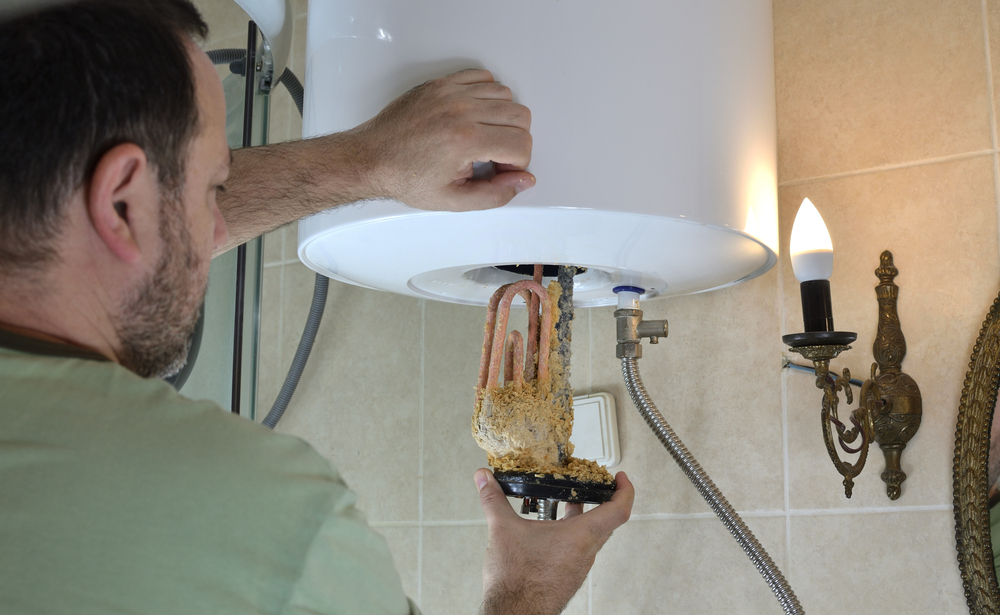
A water heater in South Florida works year-round, and local heat, humidity, water conditions, and daily household demand can all influence how it ages. For homeowners in Jupiter, knowing when a water heater is approaching the end of its useful life can help prevent an inconvenient loss of hot water or a leaking tank.
Quick answer: A traditional tank water heater is often considered for a water heater replacement once it reaches roughly 8 to 12 years old, while tankless systems can potentially remain in service longer when properly maintained. Age alone does not determine when replacement is necessary. Tank condition, corrosion, leaks, water quality, maintenance history, and changes in performance should all factor into the decision.
What local homeowners should know
-
A water heater that is approaching 10 years old deserves closer attention, especially if it has never been professionally inspected or maintained.
-
South Florida’s warm, humid environment makes it especially important to watch for corrosion around the tank, fittings, valves, and nearby plumbing.
-
Water conditions can vary by property and water source throughout Jupiter and Palm Beach County, which can affect mineral accumulation inside water-heating equipment.
-
Rust-colored water, inconsistent temperatures, leaks, unusual noises, and declining hot-water capacity can indicate that a system needs professional attention.
-
Replacing an aging unit before it fails can give homeowners more time to compare tank, tankless, and efficiency options.
Why Does Water Heater Age Matter in Jupiter?
Water heater age matters in Jupiter because an older unit is more likely to experience wear, corrosion, sediment accumulation, and declining performance, while a tank failure can create additional concerns inside a South Florida home. Knowing the installation date gives homeowners an important starting point for deciding when to schedule an inspection or discuss replacement.
Homes throughout Palm Beach County range from older properties to newer construction, so water heater ages and configurations vary considerably. Equipment may also be installed in garages, utility spaces, closets, or other locations where a leak could have different consequences.
At Plumbrite Plumbing Sewer and Drain Services, we help local property owners evaluate plumbing equipment based on its actual condition rather than age alone. We can look at the water heater, surrounding connections, performance concerns, and installation before discussing appropriate next steps.
What Local Conditions Can Affect Water Heater Lifespan?
Local water conditions, humidity, installation quality, household demand, and maintenance can all affect how long a water heater remains dependable in the Jupiter area. Two units of the same age may be in very different condition depending on where they are installed and how they have been used.
Rather than assuming every Florida water heater follows the same replacement schedule, homeowners should consider the conditions at their specific property. Water chemistry and treatment can differ depending on the water source. Sediment or mineral accumulation can affect certain systems over time, while corrosion around plumbing connections can create another source of concern.
Coastal South Florida also experiences persistent humidity. Properties near areas such as the Loxahatchee River, Jupiter Inlet, and the Atlantic coast should be especially attentive to visible deterioration around exposed equipment and connections.
These are practical factors to evaluate during an inspection rather than reasons to assume a water heater must automatically be replaced early.
What Are the Warning Signs That a Water Heater Needs Replacement?
The strongest warning signs that a water heater may need replacement include tank leakage, visible corrosion, rusty hot water, inconsistent temperatures, repeated repairs, unusual noises, and a noticeable loss of hot-water capacity. An older unit showing several of these symptoms deserves prompt professional evaluation.
Watch for:
-
Water collecting beneath or around the tank
-
Rust or corrosion on the tank or plumbing connections
-
Discolored water coming specifically from hot-water fixtures
-
Hot water that runs out sooner than it used to
-
Water temperatures that fluctuate unexpectedly
-
Popping, rumbling, or other new sounds from a tank-style unit
-
Increasingly frequent repair needs
-
An older system with an uncertain maintenance history
A small amount of water around the unit should not automatically be dismissed. The source could be the tank itself, a valve, a connection, or another nearby plumbing component.
When Should You Call a Plumber About an Aging Water Heater?
You should call a plumber when an aging water heater leaks, shows corrosion, stops producing reliable hot water, develops unusual operating symptoms, or is old enough that you want to plan ahead for replacement. Professional evaluation is particularly useful when the cause of a problem is not obvious.
Homeowners can safely look for visible moisture, check the approximate age on available equipment information, and pay attention to changes in hot-water performance.
Repairs, electrical or gas-related work, tank modifications, and replacement should be left to qualified professionals. If water is actively leaking, prompt attention can be especially important when the heater is located near finished walls, flooring, stored belongings, or other areas vulnerable to water damage.
What Common Issues Shorten Water Heater Life in South Florida?
Common issues that can shorten water heater life in South Florida include corrosion, sediment or mineral accumulation, heavy household demand, neglected maintenance, and problems with plumbing or installation components. The importance of each factor depends on the equipment and conditions at the individual property.
1. Corrosion: Tanks, fittings, valves, and connections can deteriorate with time.
2. Sediment or mineral buildup: Water conditions may contribute to deposits inside certain water heaters, potentially affecting efficiency or performance.
3. High usage: A busy household in Jupiter Farms or a frequently occupied coastal property may place different demands on a system than a smaller or seasonally occupied home.
4. Lack of maintenance: Problems that go unnoticed can become more significant over time.
5. Component wear: Heating elements, thermostats, valves, burners, and other components can require attention during a water heater’s service life.
How Can You Help Your Water Heater Last Longer?
You can help a water heater last longer by monitoring it for leaks and corrosion, following appropriate manufacturer maintenance guidance, addressing performance problems early, and scheduling professional service when needed. Preventive attention is particularly useful for older equipment that is still operating normally.
Check the area around your water heater periodically and note any new moisture, corrosion, or unusual sounds. Keep the surrounding area accessible so problems are easier to spot.
Maintenance requirements differ between tank and tankless systems. Flushing, inspection, or other service may be appropriate depending on the manufacturer’s instructions, water conditions, and equipment design. Avoid opening components or attempting repairs that involve electricity, gas, pressurized water, or safety devices.
What Results Can You Expect From Water Heater Replacement?
Replacing a worn or failing water heater should restore dependable hot-water production and gives homeowners an opportunity to select equipment that better matches their current household needs. The best replacement is not necessarily the largest or most expensive option.
A professional can consider household hot-water demand, available space, existing plumbing, energy source, equipment type, and installation requirements. Homeowners may also want to compare conventional storage tanks with tankless systems before deciding.
Planning the replacement of an aging unit can make that comparison easier than waiting until a complete failure leaves the household without hot water.
What Water Heater Replacement Mistakes Should Jupiter Homeowners Avoid?
Jupiter homeowners should avoid choosing a replacement based only on price, waiting for an obviously deteriorating tank to fail, or assuming the existing water heater is automatically the correct size and type for the home. A replacement is an opportunity to reassess the property’s actual hot-water needs.
Mistake: Ignoring a small leak.
Consequence: Moisture can spread beyond the immediate water heater area.
Better approach: Identify the source promptly.
Mistake: Replacing equipment based only on age.
Consequence: A homeowner may replace a functioning system prematurely.
Better approach: Consider age together with condition and performance.
Mistake: Waiting for total failure.
Consequence: Replacement becomes an urgent decision.
Better approach: Begin evaluating options when an older unit develops warning signs.
What Is a Common Local Water Heater Scenario?
A common local scenario is a Palm Beach County homeowner discovering that an older water heater still produces hot water but has begun showing corrosion, noise, or reduced capacity. The question then becomes whether another repair makes financial and practical sense or whether replacement is the better long-term choice.
For example, a homeowner near Abacoa or Tequesta may notice that showers are not staying hot as long as before. Rather than assuming the unit has failed, an inspection can help determine whether a serviceable component is responsible or whether the overall condition and age make replacement more sensible.
This is a representative scenario, not a specific customer case study.
What Water Heater Services Can Address These Problems?
Water heater inspection, maintenance, repair, and replacement services can address different stages of water heater wear, from an isolated performance problem to a leaking or deteriorated tank. The right service depends on what an inspection finds.
We can help homeowners evaluate an existing system and understand whether repair or replacement should be considered. For replacement projects, the discussion can also include appropriate equipment options for the property.
Should You Repair or Replace Your Water Heater?
Repair may make sense for a serviceable water heater with an isolated problem, while replacement becomes more compelling when an older unit has tank deterioration, recurring problems, leakage, or declining reliability. The decision should consider the whole system rather than one symptom.
A relatively straightforward component problem does not automatically require a new water heater. Conversely, repeatedly repairing an aging system with significant deterioration may not be the most practical approach.
For local homeowners, planning ahead also provides time to compare equipment choices instead of making a rushed decision after a no-hot-water emergency.
Where Do We Provide Water Heater Service?
We serve Jupiter-area property owners who need help evaluating water heater problems, maintenance needs, repairs, or replacement options. Depending on service availability, nearby communities may include areas around Tequesta, Juno Beach, Palm Beach Gardens, Jupiter Farms, and other parts of northern Palm Beach County.
What Can Happen If You Ignore an Aging Water Heater?
Ignoring an aging water heater can lead to worsening performance, unexpected loss of hot water, additional repair needs, or water damage if a tank or connection begins leaking. The risk is more important than the calendar age by itself.
A unit that is simply older but operating normally is different from one showing corrosion, moisture, or repeated performance problems. Monitoring an older system gives Jupiter homeowners a chance to respond to changes before the situation becomes more disruptive.
FAQ
How often should you replace a water heater in Jupiter, FL?
A traditional tank water heater is commonly evaluated for replacement around the 8-to-12-year range, but its actual condition matters more than a fixed deadline. Jupiter homeowners should consider leaks, corrosion, hot-water performance, repair history, maintenance, and installation conditions when deciding whether replacement is appropriate.
Do Florida water heaters wear out faster?
Florida conditions can influence water heater wear, but location alone does not determine lifespan. South Florida humidity, individual water conditions, equipment location, household demand, maintenance, and installation quality can all matter. Homeowners should evaluate their specific system rather than assuming every Florida water heater needs early replacement.
How do I know how old my Jupiter water heater is?
The manufacturer’s label or equipment information can often help identify a water heater’s age, although the format varies by manufacturer. If the installation date is unknown or difficult to determine, a plumber can inspect the equipment and help assess its approximate age and current condition.
Should I replace my water heater before it leaks?
Replacing before a leak may be worth considering when an older water heater also shows significant corrosion, recurring problems, or declining performance. For Palm Beach County homeowners, proactive replacement can be especially useful when the unit sits near finished areas or other property that could be damaged by leaking water.
Is a noisy water heater in Jupiter ready for replacement?
Not necessarily. Popping, rumbling, or other unusual noises can indicate conditions that deserve inspection, but noise alone does not prove that replacement is necessary. A plumber can evaluate the equipment, its age, maintenance history, and overall condition before recommending repair, maintenance, or replacement.
Is a tankless water heater better for a South Florida home?
A tankless water heater can be a good option for some South Florida homes, but suitability depends on hot-water demand, available utilities, installation requirements, space, and budget. Jupiter homeowners should compare the complete installation and expected household usage rather than choosing tankless solely because it can have a longer service life.
Does water quality affect water heaters in Palm Beach County?
Yes, water chemistry can affect water-heating equipment, particularly through mineral deposits or corrosion-related conditions, but water characteristics vary by source and treatment. Homeowners should follow maintenance guidance appropriate to their specific equipment and water supply rather than assuming every Palm Beach County property has identical water conditions.
Can I inspect my own water heater?
You can perform basic visual checks for moisture, corrosion, unusual sounds, and changes in hot-water performance. Repairs or work involving electrical components, gas, pressurized plumbing, or safety controls should be handled professionally. If a Jupiter-area water heater is actively leaking, arrange an evaluation promptly.
Plan Your Water Heater Replacement Before It Becomes an Emergency
An aging water heater does not automatically need immediate replacement, but age combined with leaks, corrosion, repeated repairs, or declining performance is a good reason to have the system evaluated. We can help Jupiter homeowners understand the condition of their equipment and explore appropriate next steps.
Keep Reliable Hot Water in Your Jupiter Home
Get a professional assessment of your current water heater so you can make a repair or replacement decision based on its actual condition.